Buying art begins with a feeling, but confidence comes from understanding the work. This guide brings together what to notice, what to ask and how to choose original art, editions, photography, sculpture, design and jewellery online.
Choosing art is personal
Begin with what keeps calling you back.
You do not need to speak the language of an auction house to live with remarkable work. Start with curiosity. Notice the image or object you return to, the feeling it creates and the story you imagine around it.
Then slow down. A trustworthy listing turns emotion into understanding: who made the work, what it is made from, its true scale and condition, whether it is unique or editioned, who is selling it and how it will reach you.
Why Artlimes
Distinct work, discovered globally.
A considered marketplace, not an endless shelf
Discover original work, editions, jewellery and collectible design from verified artists, galleries, makers, brands and specialist retailers. The value is in distinct points of view and well-described objects—not sheer volume.
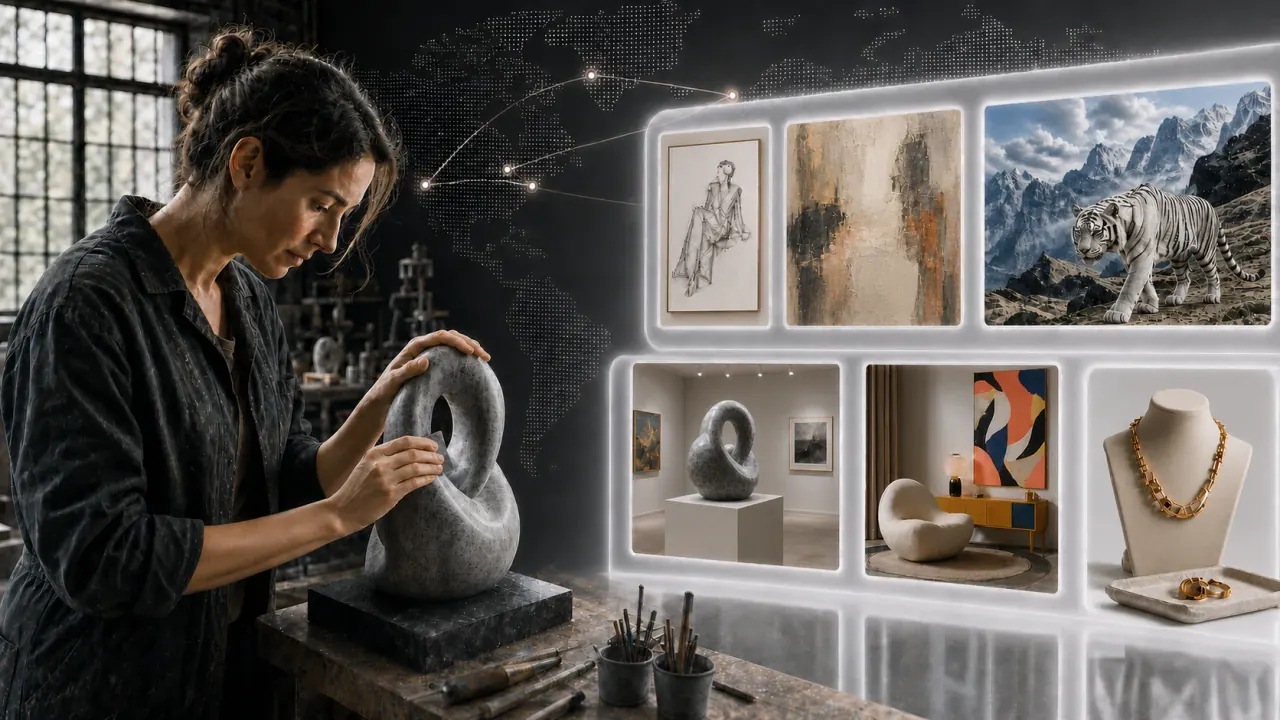
A buyer in London, New York, Sydney or Paris should be able to encounter work from a studio, gallery or specialist seller elsewhere in the world. Relevance comes from the object and your interests, not the seller being nearest to you.
Materials, dimensions, authorship, condition, edition details, seller identity and delivery information turn an image into an informed decision. Artlimes is built for work that deserves that context.
A painting can quieten a room, give it energy or become the beginning of a collection. Begin with the work that holds your attention, then use the practical details to decide whether it belongs in your life.
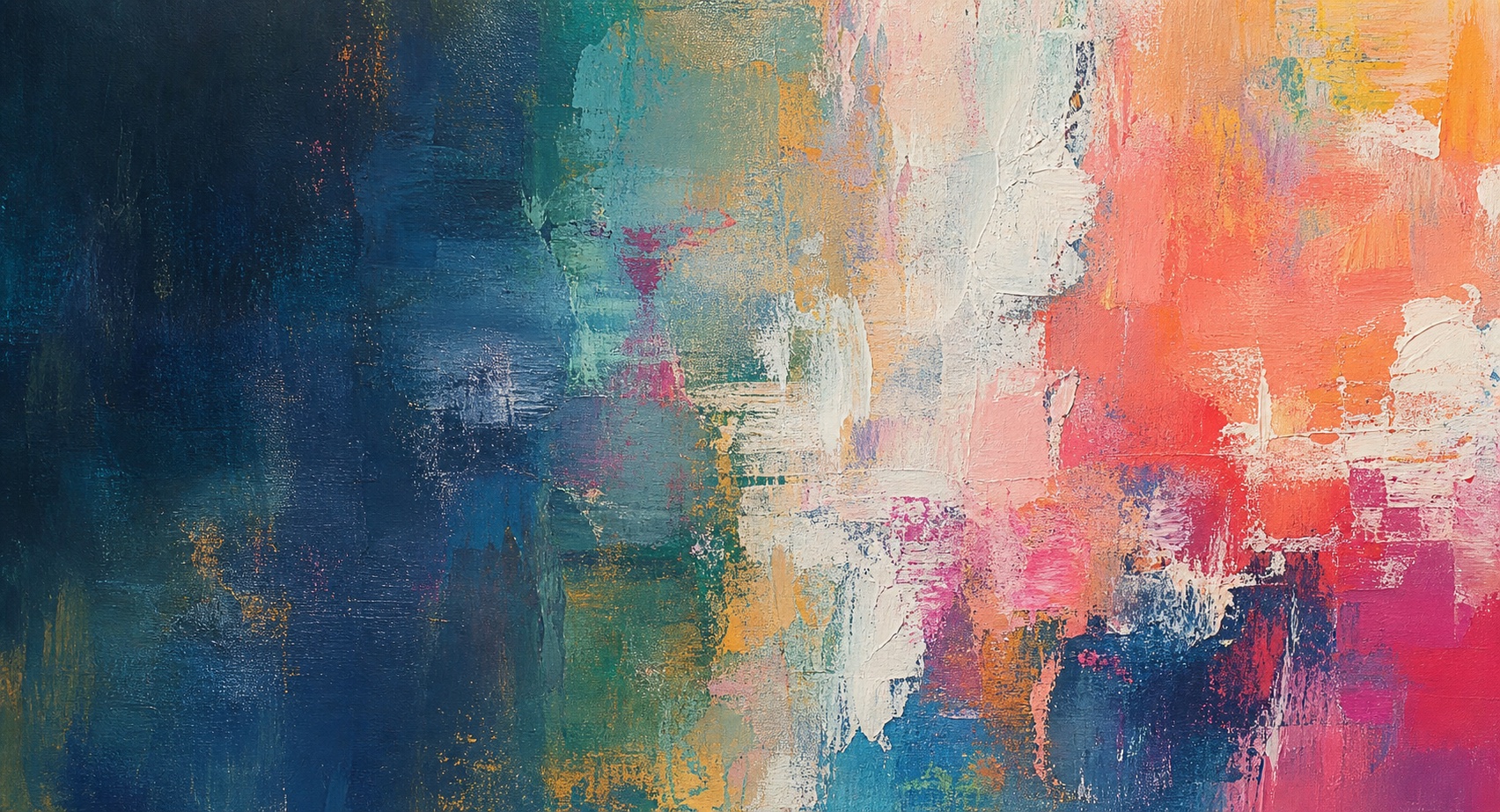
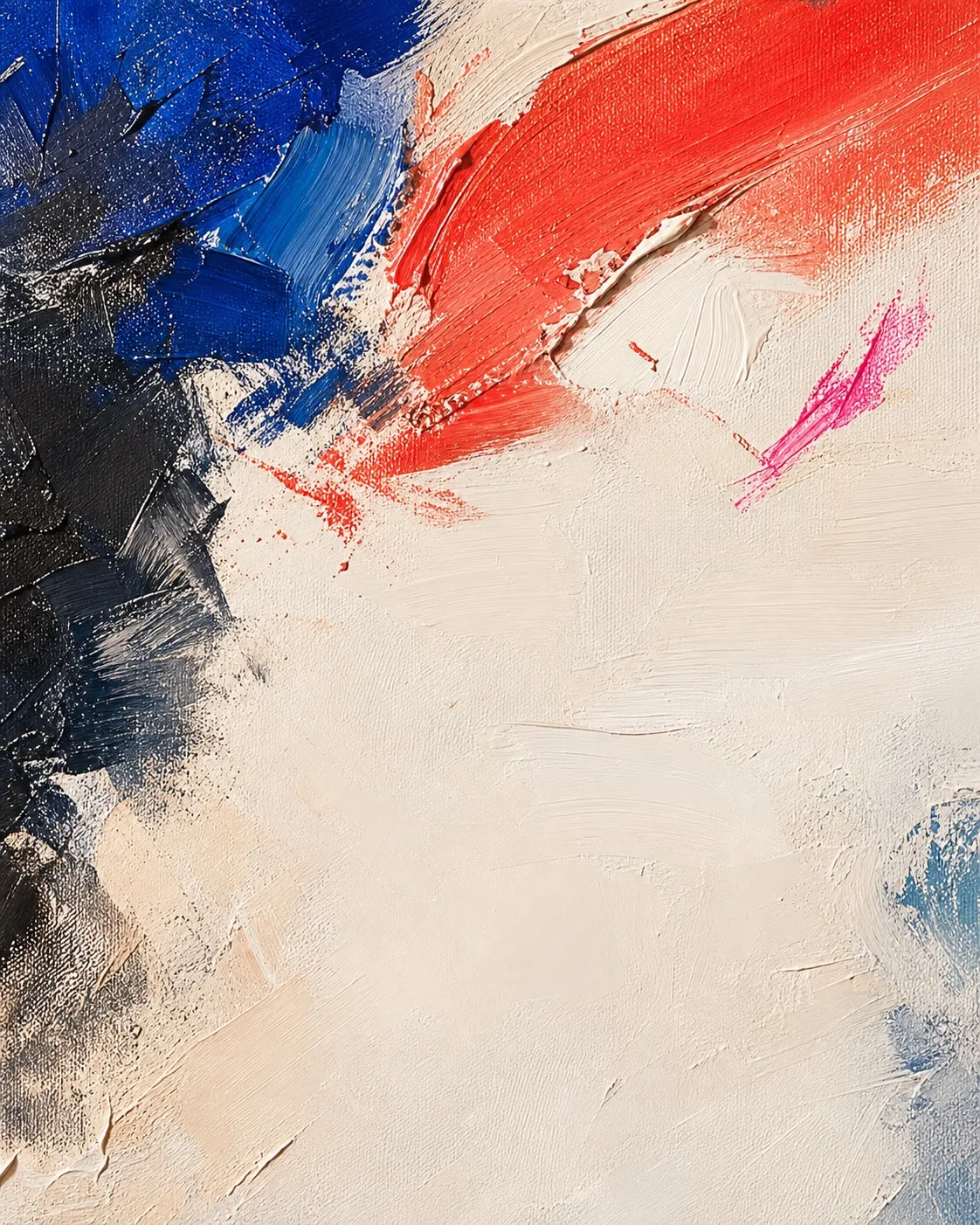
Imagine the painting from the places where you will actually see it: entering the room, sitting down and passing it in changing daylight. Measure the wall rather than judging scale from a photograph. A smaller work can create an intimate pause; a large canvas needs enough space to breathe. When comparing original paintings, look beyond matching colours: consider how the surface and scale will feel in your room.
Read the medium, surface, dimensions, condition, signature and framing notes. Oil, acrylic and mixed media have different surfaces and care needs. Clear authorship and certificate information help explain the history of the object as well as its appearance.
An edition can make an artist’s work more accessible without turning it into anonymous wall décor. Its story lives in the image, the process and the number of works produced.
Check whether the work is a limited edition, artist proof or open edition. The edition size, individual number, signature and certificate should be read together. A small edition is not automatically better, but the information should be precise. When choosing limited edition art prints for your home, compare the image size and framing options as carefully as the edition details.
Screenprint, lithograph, etching, giclée and photographic processes create different textures and colour. Paper, canvas, mounting and framing also change how the work feels in a room and how it should be protected over time.
Photography can open a window, hold a memory or alter the atmosphere of an entire space. The image draws you in; the print process and edition tell you what the physical artwork is.
Consider whether you want quiet detail seen at close range or a photograph with impact across a room. Use the image dimensions—not only the framed dimensions—to understand its presence, and think about reflections and sightlines before choosing a position. When choosing fine art photography prints, compare the paper and finish as well as the image; reflections can change how a photograph feels on your wall.
Review the paper, finish, printing process, edition size, numbering and signature. Ask whether mounting or framing is included and use suitable glazing and placement to protect the print from harsh light, humidity and temperature changes.
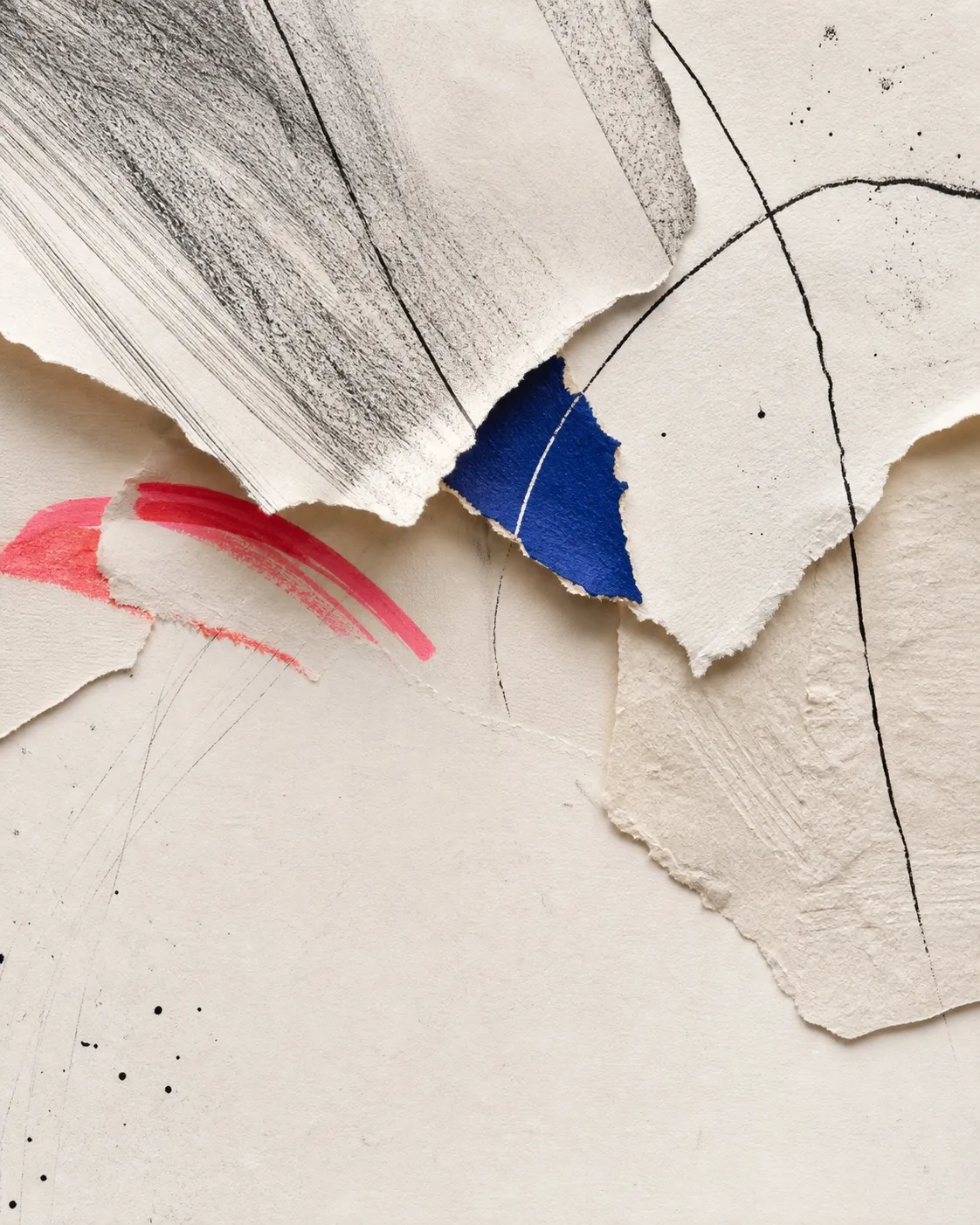
Drawings, watercolours, collage and mixed-media studies often reveal the artist’s hand with unusual clarity. They can feel intimate, spontaneous and surprisingly powerful in a real interior.
Pencil, ink, pastel, paint and collage each sit differently on paper. Look closely at surface, edges and condition notes. Natural variations may be part of the work, while any damage or restoration should be described honestly. When choosing original drawings and works on paper, consider how the surface and framing will look at the distance from which you will enjoy them.
Thoughtful framing gives paper room to breathe and protects it from humidity, dust and strong direct light. A single small drawing can create focus, while a group of related works can build a larger visual rhythm.
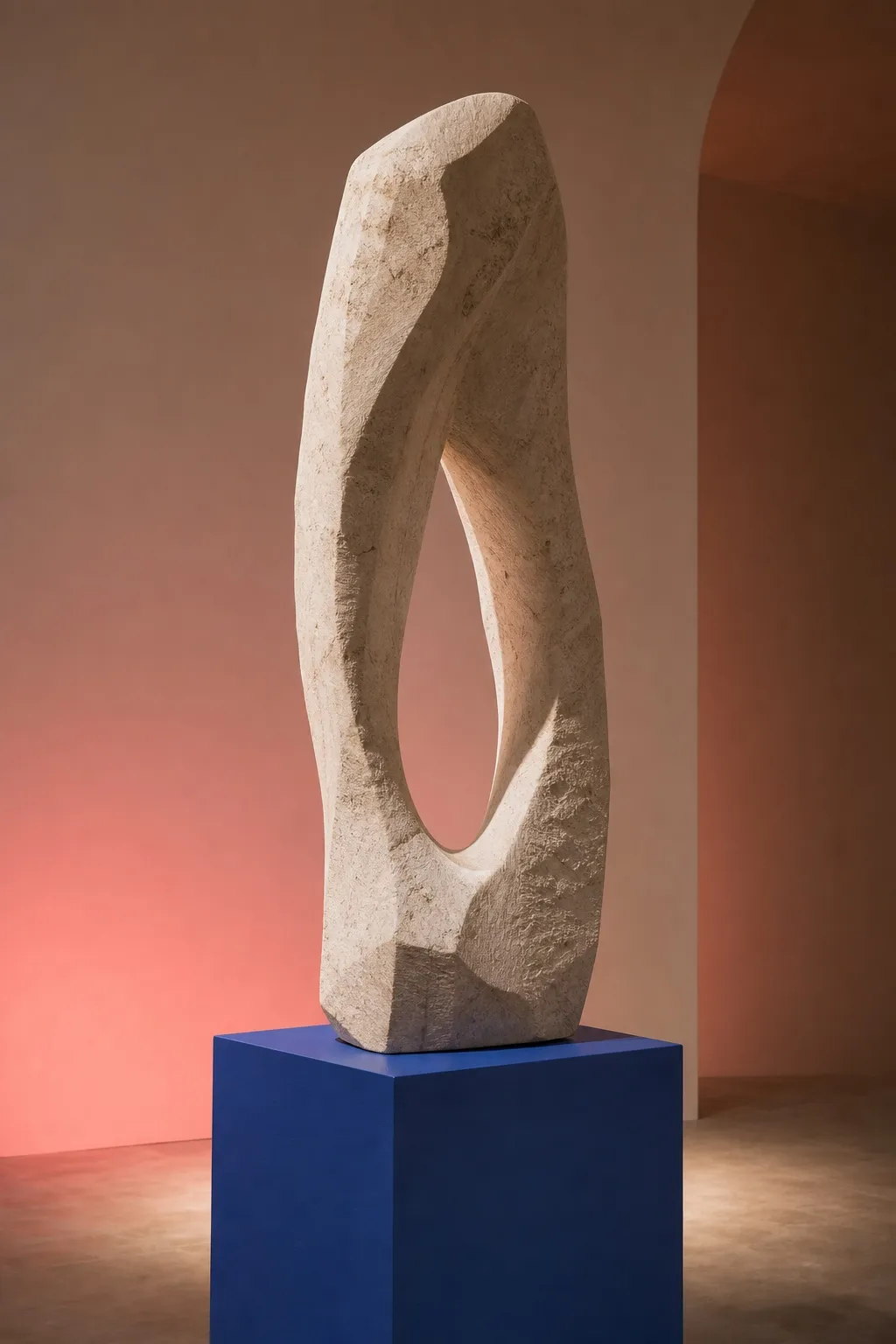
Sculpture changes as you move around it. It introduces silhouette, texture and shadow, so choosing one means thinking about the room as well as the object.
Measure height, width and depth, then mark out the footprint where the piece may live. Check weight, stability and how people move nearby. A sculpture needs space around it, whether it sits on a shelf, a plinth, a table or the floor. When choosing sculpture for your home, leave enough room to enjoy its shape from more than one viewpoint.
Bronze, ceramic, glass, wood, stone, resin and mixed media age and travel differently. Read the material and care notes, and confirm how a heavy, large or fragile work will be packed, carried through the building and delivered.
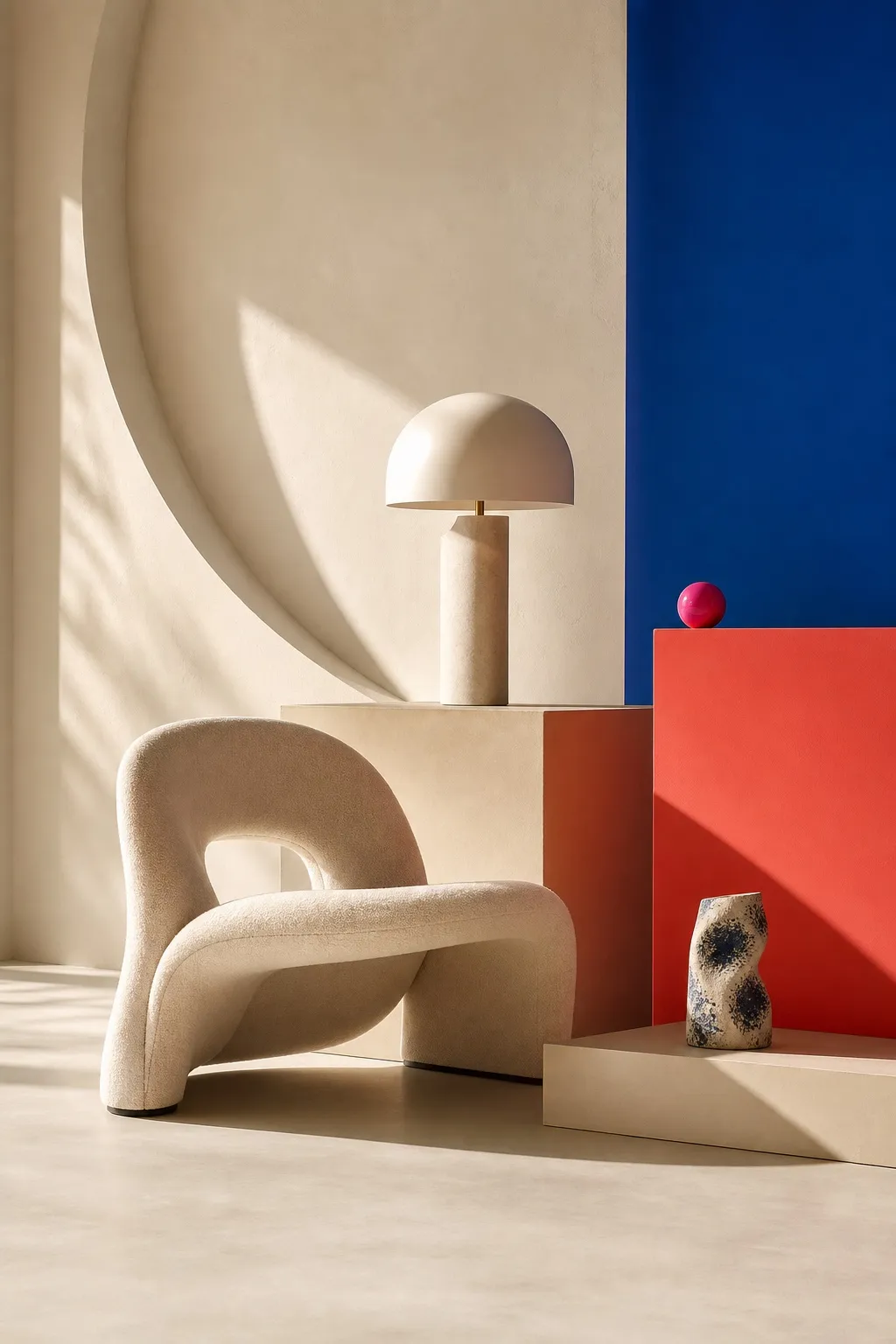
Collectible design sits where imagination meets use. A distinctive chair, vessel, light or object can be functional, decorative or deliberately somewhere between the two.
Start with purpose: will the piece be handled every day, used occasionally or primarily admired? Then look at construction, finish and the maker’s process. These details explain both its character and the care it may need. When comparing collectible design objects, decide whether daily use or visual presence matters most in your space.
Check dimensions, weight and installation requirements against the intended space. For furniture and lighting, confirm practical use and compatibility; for fragile objects, understand handling and delivery before purchase.
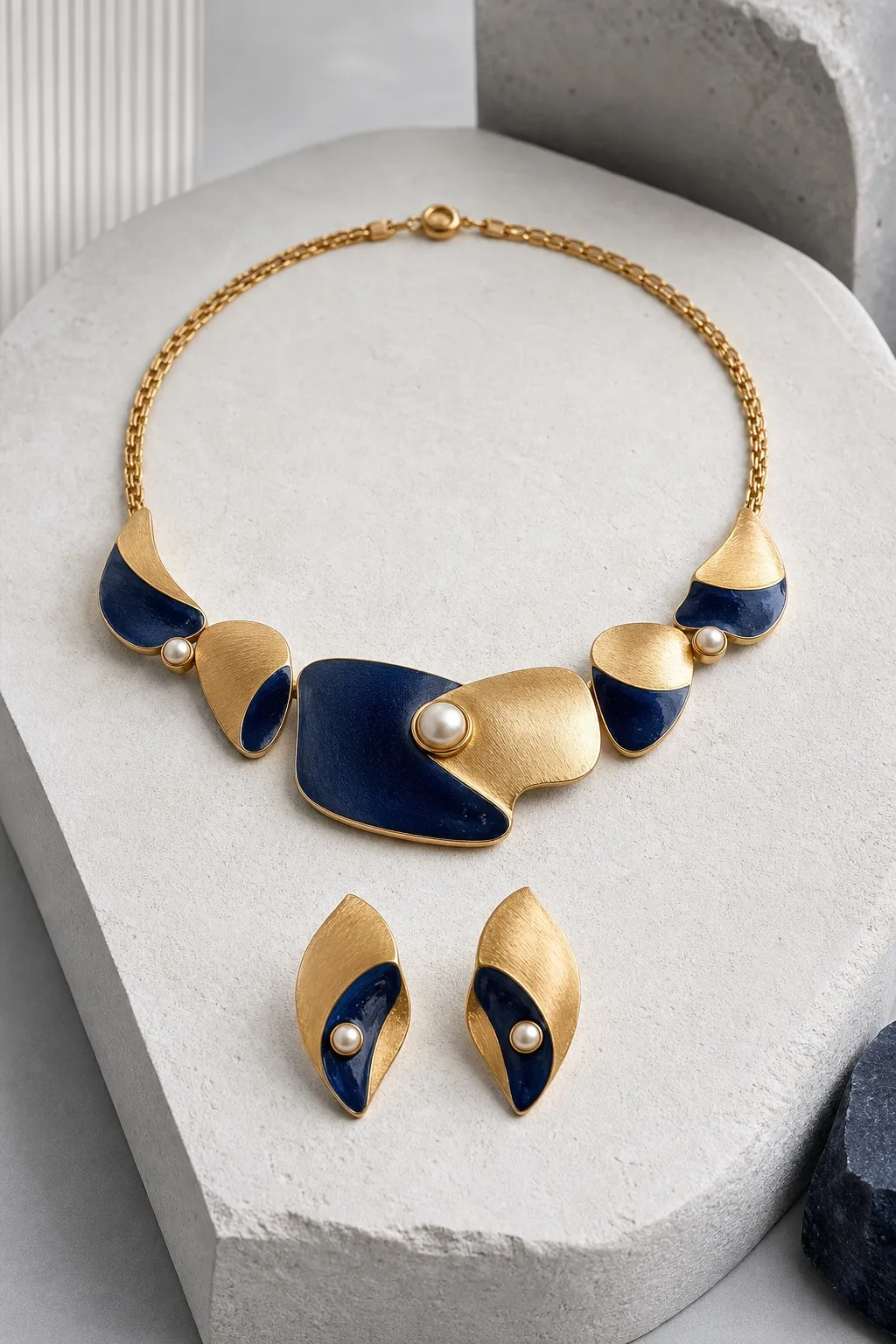
Jewellery is art at its most personal: chosen for the body, given to mark a moment or collected because the maker’s point of view feels unlike ordinary retail.
Read the materials, stones, hallmarks, finishes and construction details. Handmade and small-batch pieces can carry subtle variations; those differences should feel like evidence of process rather than missing information. When choosing designer jewellery, let the materials, fit and maker’s approach guide you rather than the photograph alone.
Measurements matter for rings, necklaces, bracelets and wearable objects. Compare the stated size with a piece you already wear, consider weight and comfort, and follow the seller’s care notes for specific metals, stones and finishes.
Browse by category, search the marketplace or explore Selected by Artlimes. Product pages show the artist, materials, dimensions, edition information and available images.
02
Review the full story
Read the description, inspect every image and understand the creator or seller. Confirm condition, presentation and whether the object is unique, editioned or made in small quantities.
03
Confirm price and delivery
Set your delivery country and currency, review the full price and read the seller’s shipping information and the Artlimes returns policy before adding the work to your basket.
04
Pay securely
Complete checkout using the payment methods available for your location. Artlimes uses secure payment technology and never exposes your card details to sellers.
05
Follow, receive and inspect
Follow tracking from your account and check the packaging and work promptly after arrival. If something is wrong, keep the packaging, take clear photographs and contact support quickly.
Before you decide
Questions that turn interest into confidence
How do I know who is selling the work?
Each listing connects to its seller. Artlimes welcomes verified artists, galleries, makers, jewellery brands, designers and specialist retailers, so read both the product story and the seller profile before buying.
Does a purchase include a certificate of authenticity?
Check the individual listing for certificate and provenance information. Eligible Artlimes editions include a digital Certificate of Authenticity released after delivery; original works and other objects may include documentation supplied by the seller.
Can I buy from a seller in another country?
Yes, when the listing supports delivery to your destination. Set your country and currency, then review the available shipping price, delivery information and any duties or taxes that may apply before checkout.
What should I do if scale or colour is unclear?
Use the stated dimensions rather than judging scale from a room image, inspect every available photograph and compare measurements with your space or an object you already own. Screens reproduce colour differently, so read the materials and description as well as viewing the images.
Can I return a purchase?
Return eligibility depends on the item and fulfilment type. Review the listing and Artlimes returns terms before buying; made-to-order, personalised, framed or marketplace-managed editions can have different conditions.
Why collect from independent sellers online?
Online discovery can connect you with a particular artist, gallery, maker or specialist retailer you may never encounter locally. Good listings preserve that individuality while providing the information needed to buy confidently.
The lasting choice
Buy for the life around the work.
The best piece is not simply the one that matches a wall. It is the one you want to encounter again—in morning light, across a busy room or as part of the rituals of getting dressed and living at home.