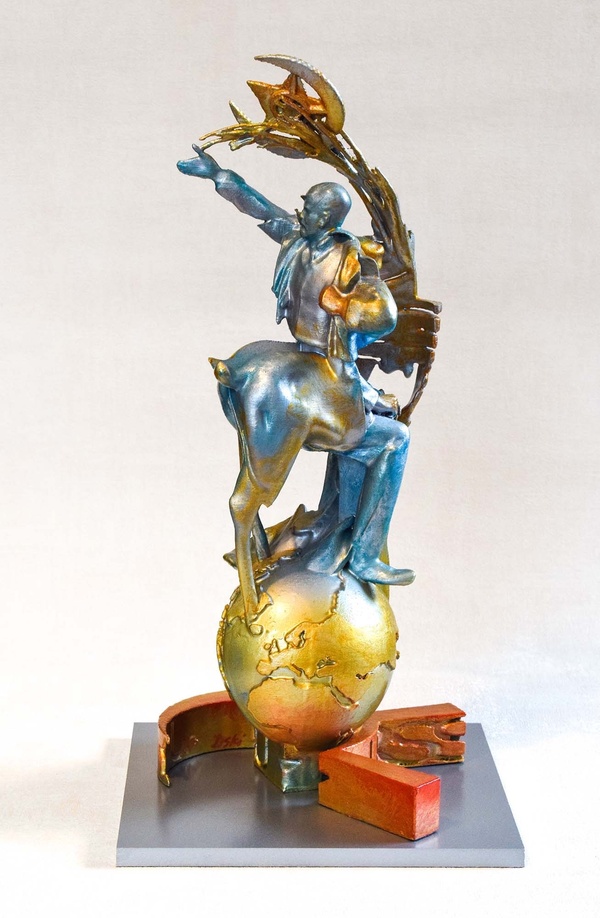
After the Union ( Rush to Relics ), 2020
Alfonse Pagano
Canvas installation
Original Sculpture, 101.6 x 243.84 x 60.96 cm
Free Shipping from United States
15% OFF with code FIFTEEN.
£1,501.33
✔Signed by Artist
Secure Payments with Stripe. Learn more
Offered by
apagano
United States
1View
About Alfonse Pagano
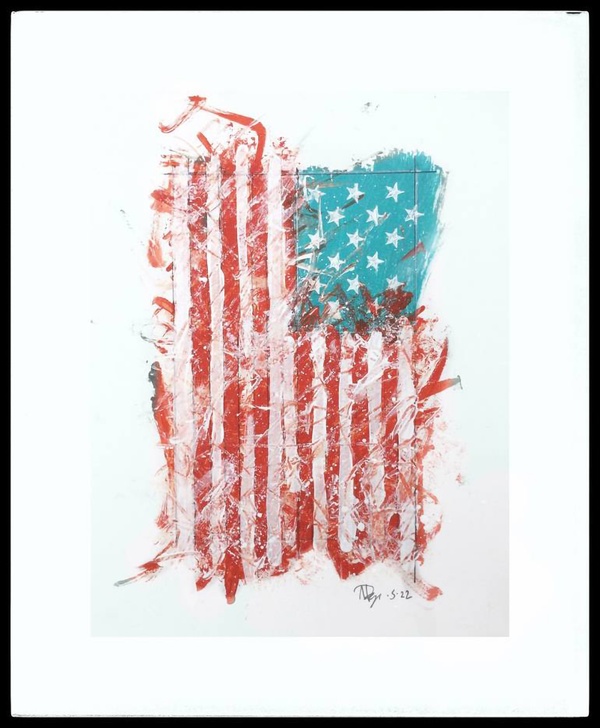
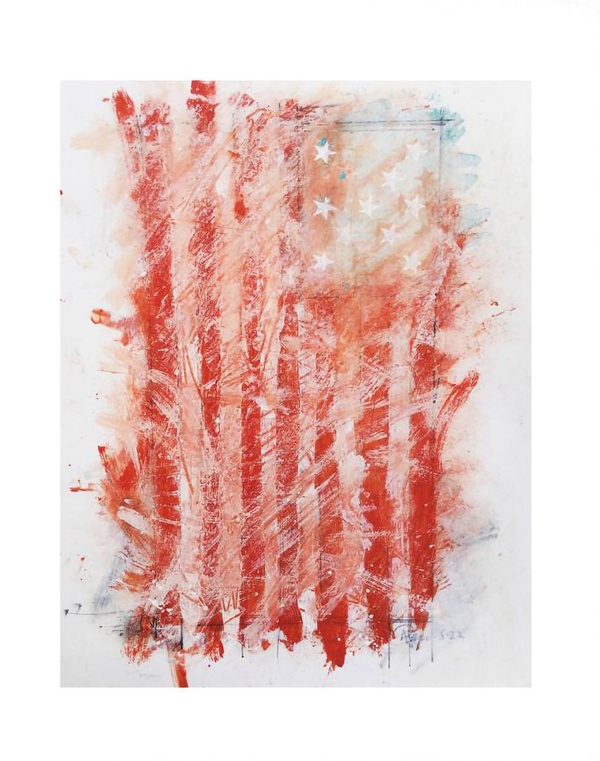
Alfonse Pagano is a New York–based multidisciplinary artist and photographer whose practice spans more than five decades. Emerging from the experimental climate of the late 1960s, his work has continually fused photography, painting, sculpture, and text in a circular process of layering, erasure, and reinvention. Pagano is widely known for Dreads(Artisan/Workman Press), a seminal photographic book that brought international recognition, and for his ongoing mixed-media flag series Rush to Relics, which confronts national identity and democratic fracture through distressed, reimagined American flags. His work has been exhibited in galleries and institutions across the United States, including the Carnegie Museum of Art’s “Ten Americans,” and is informed by decades of studio practice in New York, Los Angeles, and beyond, as well as formative seafaring voyages in the Caribbean. Pagano’s art persistently explores time, memory, symbolism, and the physical act of making as a form of reckoning and renewal.
About the Product
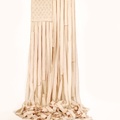
"After the Union" reimagines the American flag as a fragile textile monument. Constructed from unbleached fabric, the familiar symbol is stripped of color and allowed to fall downward in long vertical bands that gather and collapse at the base of the wall.
The stars remain faintly present while the stripes dissolve into gravity and cloth, suggesting both absence and persistence. The flag becomes less an emblem of authority and more a quiet field of memory, vulnerability, and unresolved questions.
By removing the traditional red, white, and blue, the work asks viewers to reconsider what the flag represents and whose lives it is meant to hold within it. The cascading fabric evokes mourning, endurance, and the weight of collective history.

The stars remain faintly present while the stripes dissolve into gravity and cloth, suggesting both absence and persistence. The flag becomes less an emblem of authority and more a quiet field of memory, vulnerability, and unresolved questions.
By removing the traditional red, white, and blue, the work asks viewers to reconsider what the flag represents and whose lives it is meant to hold within it. The cascading fabric evokes mourning, endurance, and the weight of collective history.