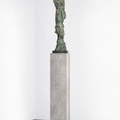
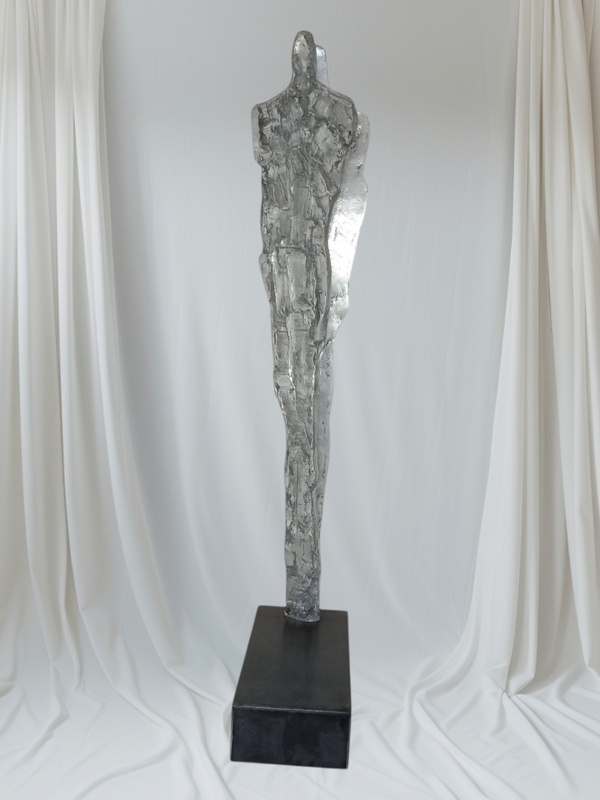
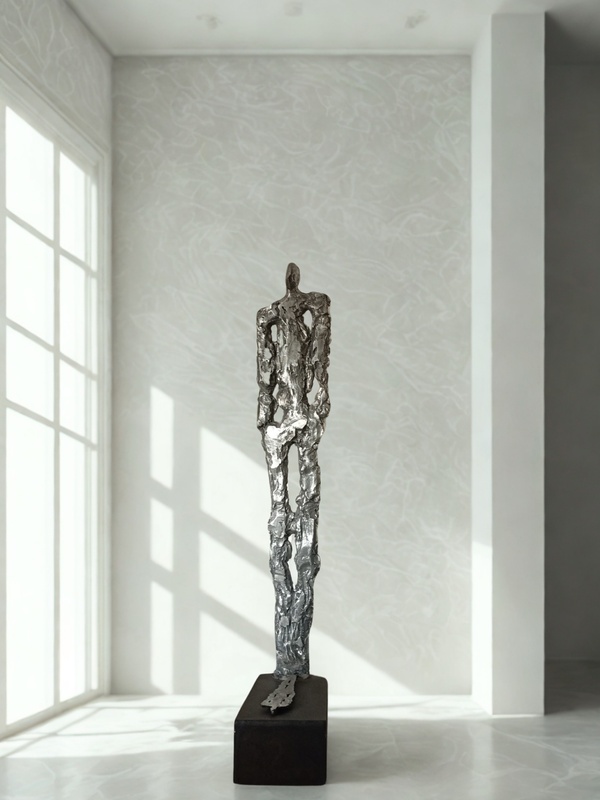
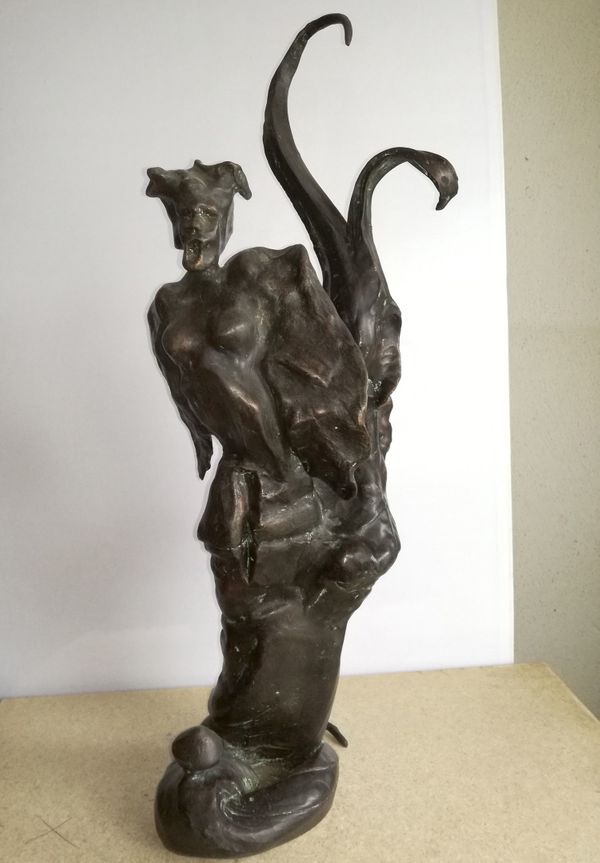
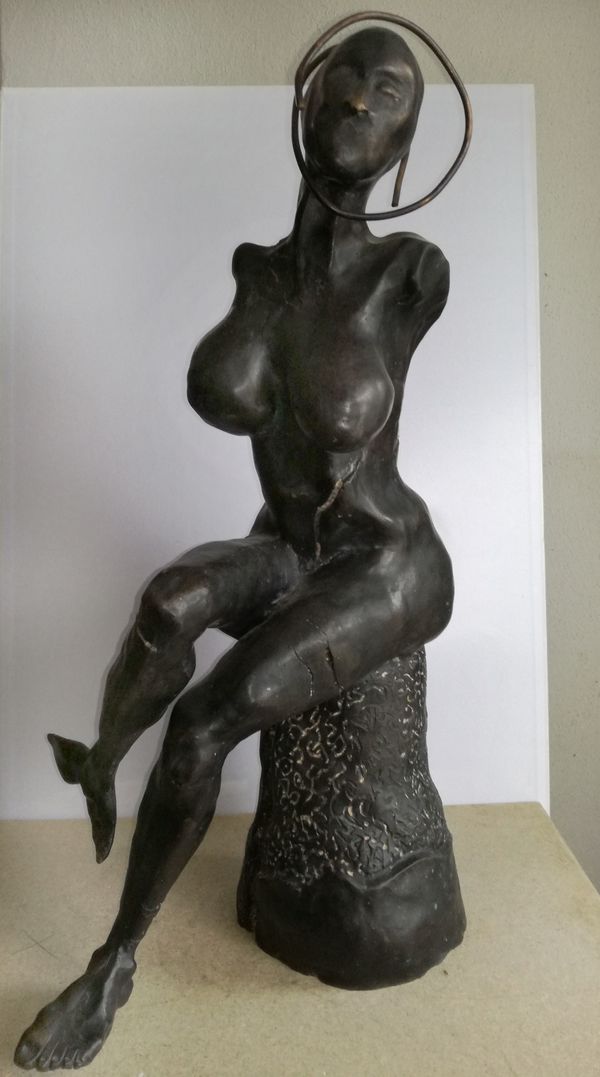
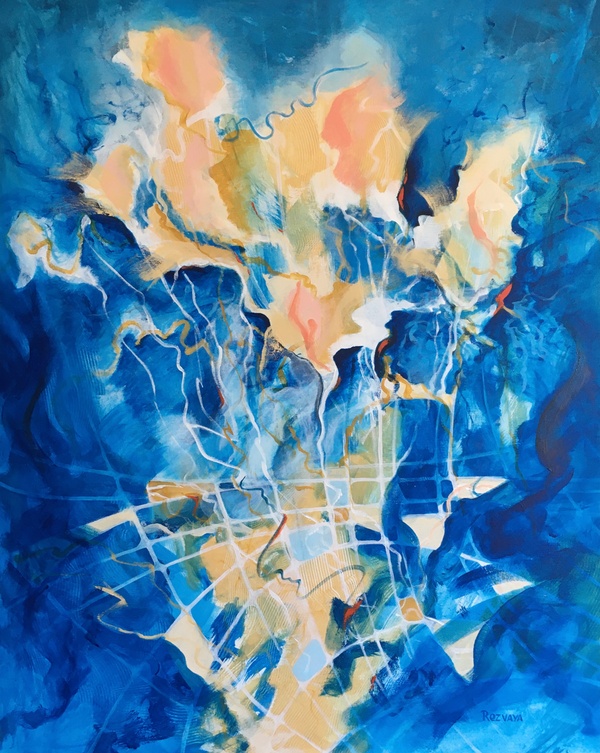
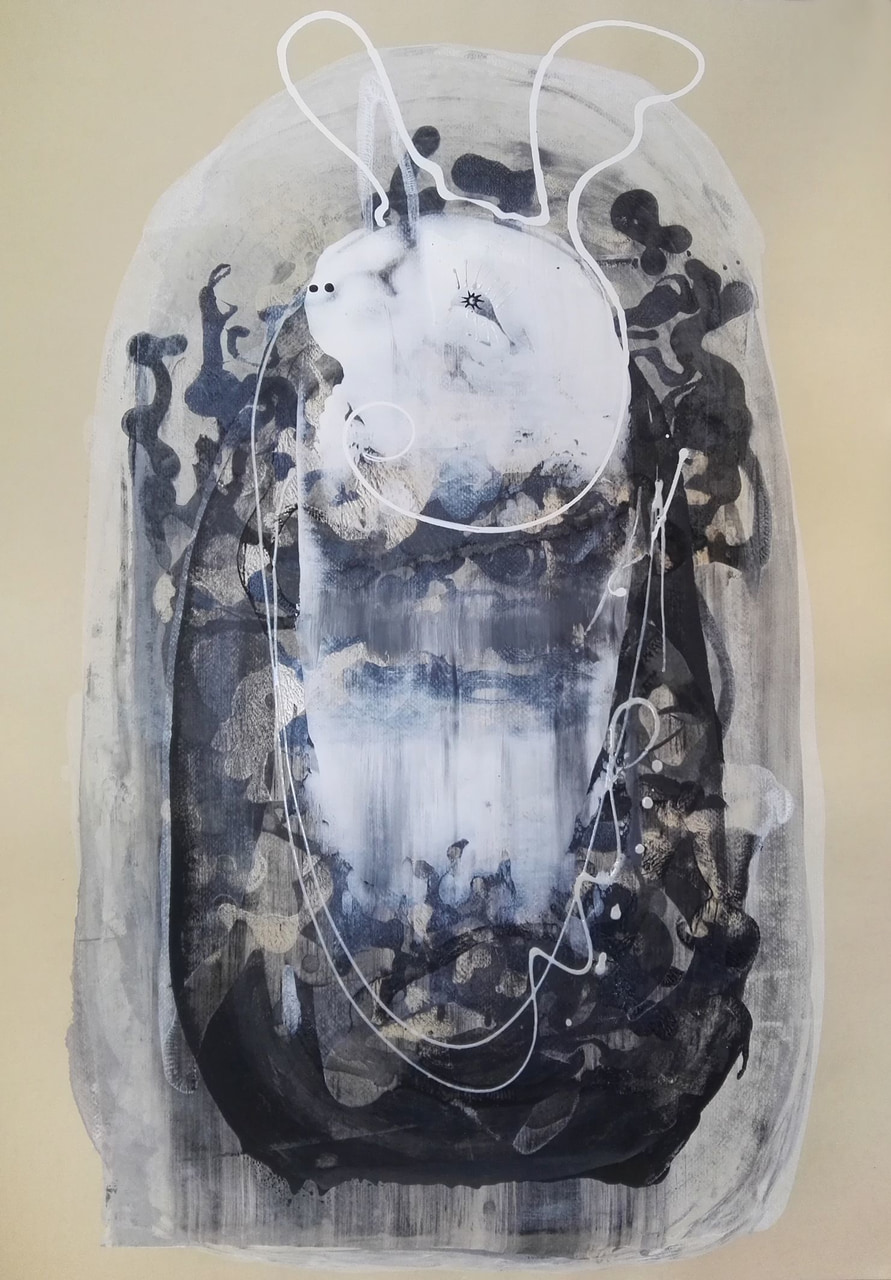
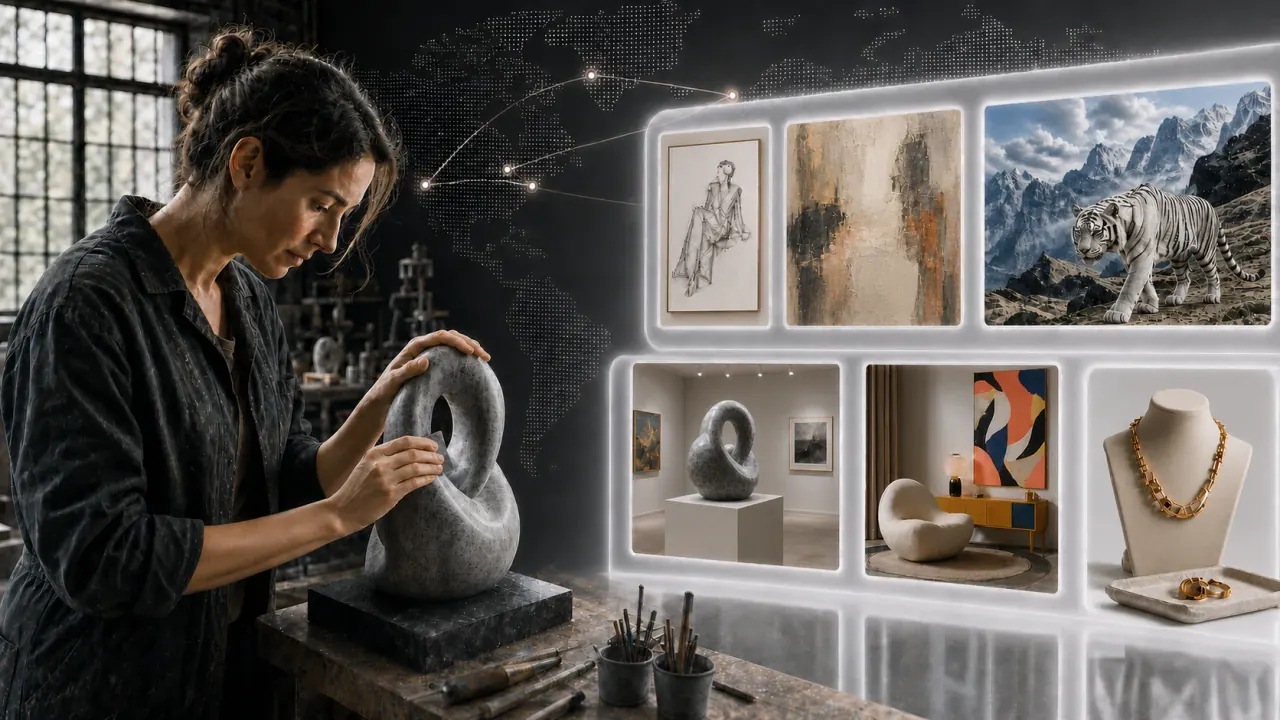
Marcello Mancuso’s sculptural practice emerges from a place where matter, gesture, and inner vision converge. Trained within the rigorous tradition of Italian metal casting and refined through decades of experimentation, Mancuso approaches bronze and aluminium not as inert materials but as living thresholds—surfaces where form becomes a vessel for memory, tension, and transcendence.
His works often originate from an intimate dialogue with absence: the void carved by wax, the negative space that precedes the cast, the silent interval in which the sculpture already exists in potential. Through the ancient technique of lost-wax casting, Mancuso transforms this absence into presence, allowing each piece to retain the trace of its own becoming. The result is a body of work that feels simultaneously primordial and contemporary, rooted in craft yet open to metaphysical interpretation.
Recurring throughout Mancuso’s oeuvre is a search for equilibrium—between weight and lightness, fragility and endurance, individuality and relation. His forms often suggest wings, thresholds, or suspended tensions, evoking the moment in which two forces meet without collapsing into one another. This is not symbolism imposed from the outside; it is a structural truth embedded in the material itself. Mancuso listens to the metal, allowing its resistance, its temperature, and its memory to guide the evolution of the form.
What distinguishes Mancuso’s sculpture is the clarity of its emotional architecture. Each work is an invitation to pause, to inhabit a space where the boundaries between the visible and the invisible soften. The surfaces—sometimes polished to a luminous sheen, sometimes textured like eroded stone—carry the imprint of time, gesture, and intention. They speak of human vulnerability, of the desire for connection, and of the quiet strength that arises when opposing forces find harmony.
In an era dominated by speed and dematerialization, Mancuso’s sculptures stand as acts of resistance. They insist on slowness, on touch, on the dignity of craft. Yet they are never nostalgic. Instead, they open a path toward a renewed understanding of sculpture as a relational practice—one that binds the artist, the material, and the viewer in a shared moment of contemplation.
Marcello Mancuso’s work reminds us that form is not merely shape; it is a way of thinking, a way of feeling, a way of being in the world. His sculptures do not impose meaning—they reveal it, quietly, like a breath held between two wings.
Marcello Mancuso – Contemporary Sculptor Between Tradition and Innovation
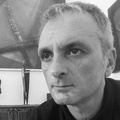
Marcello Mancuso is a prominent Italian sculptor in the contemporary art scene, renowned for his ability to blend technological innovation with traditional methods in works that possess strong visual and conceptual impact. From a young age, he displayed a deep inclination for sculpture and the visual arts, embarking on a creative journey that led him to master the lost-wax casting technique in bronze and noble metals.
His artistic research is characterized by a balance between technical rigor and poetic impulse, where abstract and symbolic forms engage in dialogue with existential themes and reflections on the human condition. With a clear and personal vision, Mancuso continues to influence new generations of artists, exemplifying how tradition can be renewed through innovation and contemporary sensitivity.